Imagine you’re fleeing war-torn streets, crossing choppy waters in a rickety boat, only to find safety in the UK— but now, that safety comes with an expiration date. Sounds like a plot twist from a dystopian novel, right? Well, welcome to the reality of the UK’s latest asylum reforms, kicking in as of today, March 2, 2026. I’ve been following migration stories for years, and this one feels like the government hitting the reset button on a system that’s been creaking under pressure. If you’re a young professional curious about global affairs, perhaps working in tech or finance with colleagues from around the world, this matters. It could reshape how we think about borders, belonging, and basic human kindness.
Let me paint a picture: Last year, asylum claims in the UK jumped 13% while Europe saw a drop. That’s thousands more people risking everything to reach these shores. The government says enough is enough—time for a “firm but fair” approach. But is it really fair? Or just firm? Stick with me as I break it down, throw in some clever analogies, and share a quick story from my chats with a refugee friend. We’ll navigate this together, like we’re grabbing coffee and dissecting the news.
Why the Overhaul? The Backstory You Need to Know
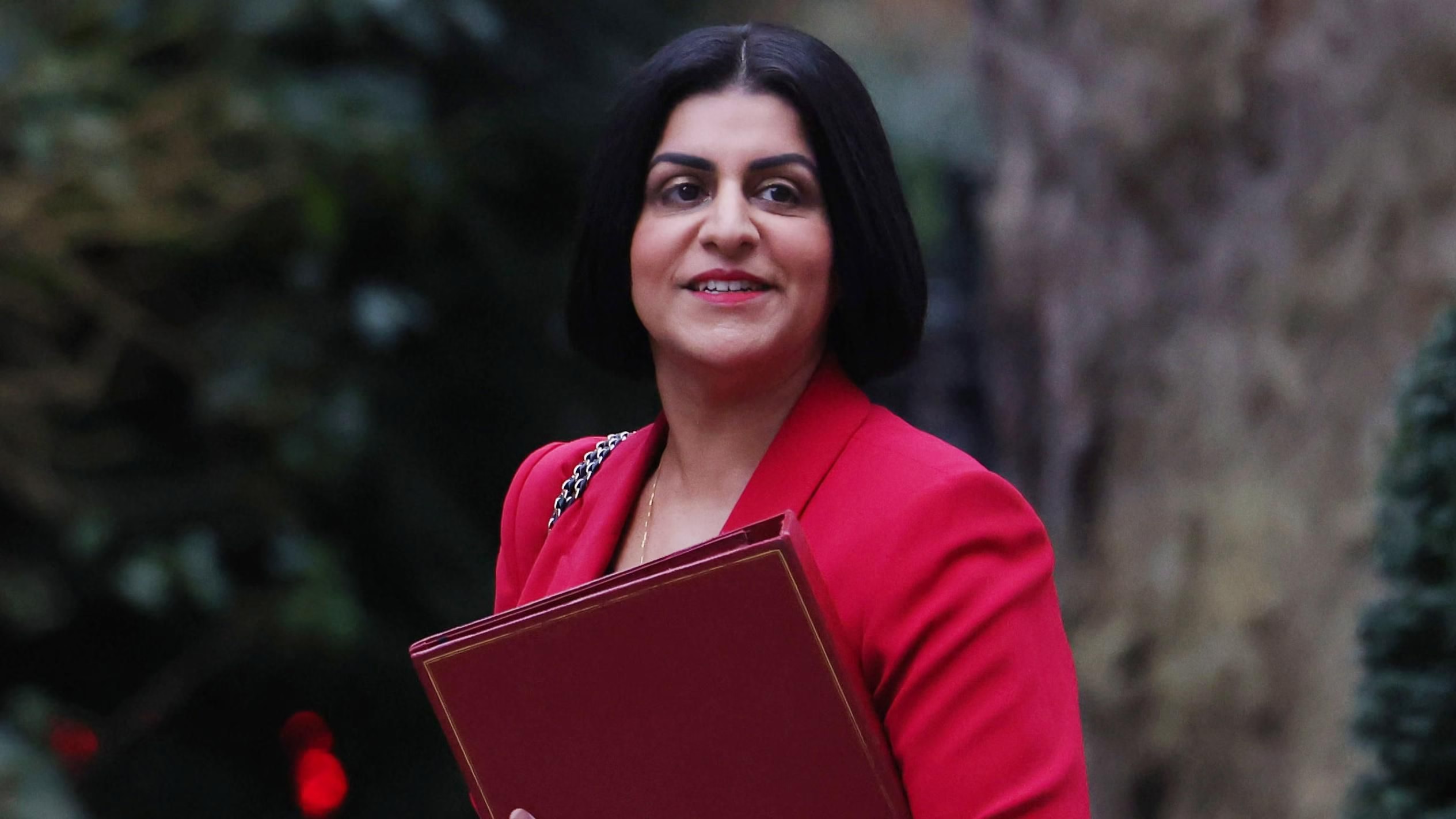
Picture the UK asylum system as an old, overcrowded house party. Everyone’s invited, but the music’s too loud, the drinks are running low, and the neighbors (that’s public opinion) are complaining. Enter Home Secretary Shabana Mahmood, who announced these sweeping changes back in November 2025. Her goal? To deter those dangerous small-boat crossings across the English Channel— you know, the ones that make headlines and break hearts.
I remember talking to a Syrian engineer pal of mine over Zoom last year. He fled bombs and rebuilt his life here, but he worries these reforms could unsettle folks like him. “It’s like being given a guest pass to a club, but they can kick you out anytime,” he quipped. Spot on. The government points to rising numbers: Over 13% increase in claims to September 2025, bucking the EU trend. They argue the old system was too generous, creating “pull factors” for illegal migration. Politically, it’s a nod to voters drifting toward parties like Reform UK, who scream for tougher borders.
But here’s the witty bit: Is this Labour Party channeling their inner conservative? After all, they’re the ones who once championed human rights. Now, they’re borrowing from Denmark’s playbook—temporary status, strict reviews, and all. It’s like swapping your comfy sneakers for steel-toed boots. Practical? Maybe. Stylish? Debatable.

Diving into the Core Protection Model: What’s Actually Changing?
Alright, let’s get to the meat of it. The star of this overhaul is the “core protection” model—a fancy term for “temporary sanctuary, no strings attached… wait, lots of strings.” If you’re an adult or accompanied child granted refugee status from today onward, you get 30 months’ leave. That’s it. No more five-year grants leading to permanent settlement. After 30 months, bam—review time. If your home country’s safe (think post-conflict Syria), pack your bags.
Unaccompanied kids get a pass for now—five years’ protection while policies firm up. But age checks? They’re ramping up with AI tech to spot fakers. Clever, or creepy? You decide.
Family reunions? Tightened like a budget on payday. No automatic rights; you’ll need to switch to new work or study visas, meeting financial hurdles like any Brit sponsoring kin. Settlement? Forget five years—try 20 under core protection. But hey, if you’re skilled, hop on the Protection Work and Study visa for a faster track.
To make this crystal clear, here’s a quick table comparing the old and new systems:
| Aspect | Old System | New Overhaul (Core Protection) |
|---|---|---|
| Initial Leave | 5 years | 30 months |
| Renewal | Path to permanent settlement | Reviewed; renew only if needed |
| Settlement Time | After 5 years | Up to 20 years |
| Family Reunion | Automatic for refugees | Restricted; via work/study routes |
| Unaccompanied Children | 5 years | 5 years (pending review) |
| Age Assessment | Standard procedures | Enhanced with AI |
This shift aims to encourage integration—work, study, contribute—or head home when safe. But imagine the stress: Constant reviews hanging over your head like a bad deadline at work.
The Human Impact: Stories Behind the Stats
Now, let’s get personal. As someone who’s volunteered at refugee centers, I’ve seen the toll uncertainty takes. Take Ahmed, a young Afghan professional I met—fled the Taliban, landed a job in London tech. Under old rules, he could’ve settled. Now? He’d be glancing at the calendar every 30 months, wondering if it’s time to uproot again.
Critics like the UNHCR say this creates “prolonged uncertainty,” hurting jobs, housing, and mental health. Charities slam it as punitive, potentially fueling racism. On the flip side, supporters argue it weeds out bogus claims and rewards contributors.
And the politics? Labour’s left wing is fuming—up to 40 MPs ready to rebel. Reform UK calls it too weak, predicting court battles. It’s like a family dinner where no one’s happy with the meal.
Denmark’s model, which reviews every two years and waits eight for settlement, has mixed results—lower arrivals but integration woes. Will the UK fare better? Time will tell, but early X chatter shows skepticism: “Policy announcements are easy. Surviving the courts is the real test.”
Broader Ripples: Enforcement, Support, and Safe Routes
Don’t think it’s just about status. The overhaul amps up enforcement: More raids on illegal work, digital IDs, and quicker deportations. Asylum support? No longer a duty—discretionary, conditional on good behavior. Hotels for asylum seekers? Phasing out for military bases.
On the positive? Safe legal routes with annual caps, community sponsorships, and crisis flexibility (like for Ukraine). It’s like saying, “Come the right way, and we’ll roll out the welcome mat—sort of.”
For you, the global-minded pro, this could mean diverse teams but with more hurdles for talent. Or, if you’re in policy or NGOs, a whole new battlefield.
Frequently Asked Questions (FAQs)
Got questions swirling? You’re not alone. Here’s a rundown of common ones, based on the buzz and official deets.
- What is the core protection model in the UK asylum overhaul? It’s the new temp setup: 30 months’ leave for refugees, reviewed for renewal or return. Think short-term lease on safety.
- Does this apply to all asylum claims? Nope—only new ones from March 2, 2026. Old claims follow the five-year path.
- How does it affect family reunions? Stricter—no auto rights. Switch to work/study visas and meet Brit-level requirements.
- What about kids? Accompanied get 30 months; unaccompanied keep five years for now.
- Will this stop small-boat crossings? Government hopes so by reducing “pull factors,” but critics say it won’t deter desperation.
- What’s the reaction? Mixed—praise for toughness, blasts for cruelty. UNHCR worries about integration hits.
Wrapping It Up: What’s Next for the UK Asylum System?
So, there you have it—the major overhaul of the UK asylum system in all its glory and grit. From temporary leaves to tougher enforcement, it’s a bold pivot toward control over compassion, or balance, depending on your view. I think it’s like tuning a guitar: Too tight, and strings snap; too loose, no music. Will this strike the right chord?
As a young pro, you might wonder how this fits into bigger trends—Brexit echoes, global migration waves. Stay informed; these policies shape our world.
What do you think? Drop a comment below—should the UK go harder, softer, or rethink entirely? Share your take, and let’s chat. If this sparked your interest, subscribe for more deep dives into timely topics