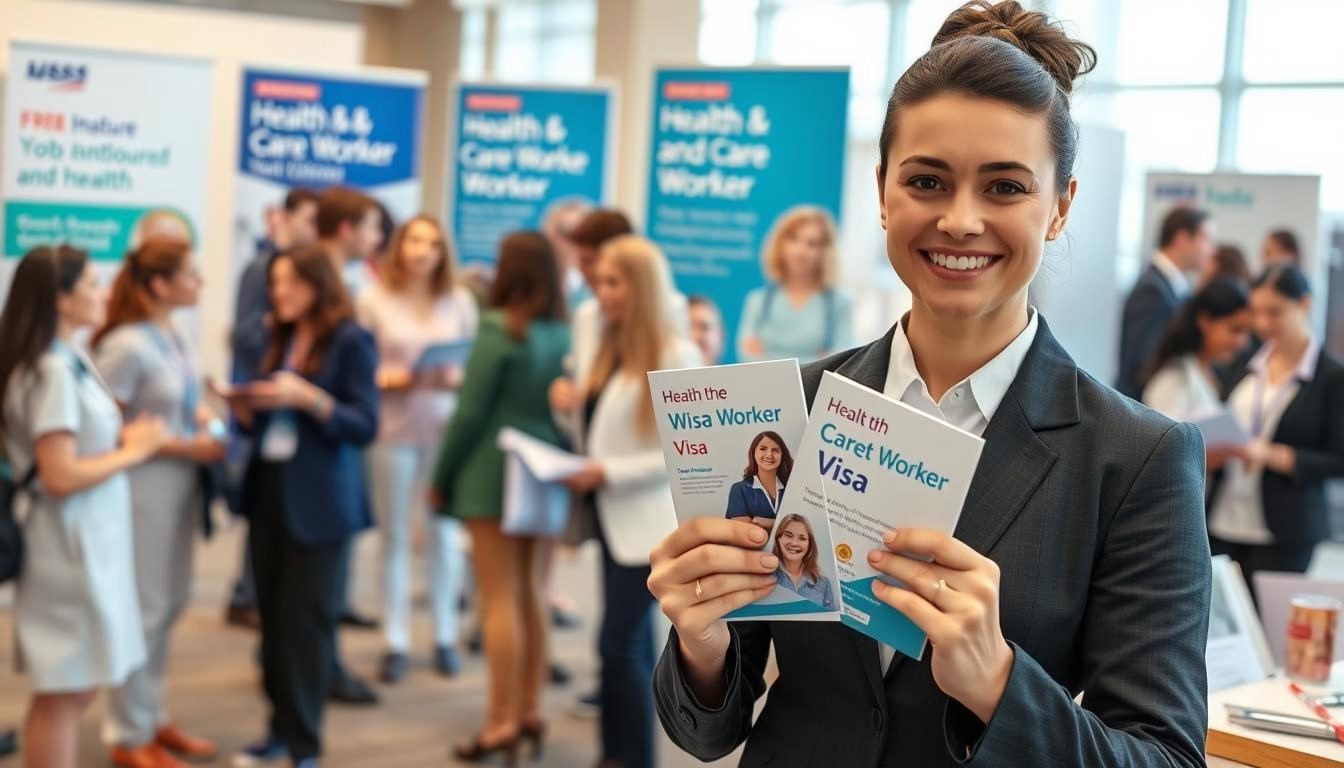
Are you considering a career in the healthcare sector abroad? The Health and Care Visa is a specialized option designed for medical professionals looking to work in the United Kingdom. As we approach 2026, it’s essential to understand the strict eligibility criteria set by the government for international applicants.
In this guide, I will walk you through the key requirements for this specific visa. Navigating the application process can feel daunting, but I’m here to simplify the latest rules into actionable steps. Together, we will explore how the healthcare landscape is evolving, especially in recruiting dedicated professionals from overseas.
By the end of this article, you will gain clarity on the documentation, salary thresholds, and timelines needed for a successful application. Whether you’re a doctor, nurse, or clinical specialist, my goal is to help you secure your future in the UK.
Key Takeaways
- Understand the essential requirements for the Health and Care Visa.
- Learn how to navigate the application process effectively.
- Discover the evolving landscape of the healthcare sector.
- Gain insights into the role of the Home Office in application oversight.
- Prepare for documentation and salary threshold requirements.
Overview of the UK Health and Care Worker visa 2026
Thinking about making a move into the healthcare field overseas? The Health and Care Visa is a specialized sub-type of the Skilled Worker Visa. This route is tailored for qualified doctors, nurses, and healthcare professionals eager to support the NHS and social care providers.
Since its launch, this immigration path has streamlined the process for international talent to contribute effectively to the UK’s health care system. Unlike the standard skilled worker visa, this category offers unique financial benefits. For instance, applicants are exempt from the Immigration Health Surcharge, making it more accessible.
It’s important to note that this visa is strictly for those in eligible health care roles. This focus ensures that the system remains aligned with frontline medical needs. As we approach 2026, the government is clearly prioritizing high-skill roles to maintain the quality of care across the nation.
| Feature | Health and Care Visa | Standard Skilled Worker Visa |
|---|---|---|
| Target Audience | Doctors, Nurses, Healthcare Professionals | Various Skilled Roles |
| Immigration Health Surcharge | Exempt | Applicable |
| Application Process | Streamlined for Healthcare | Standard Process |
| Focus | Frontline Medical Needs | Broad Skilled Roles |

Eligibility Criteria for Healthcare Professionals
Curious about how to take your healthcare expertise to international shores? Understanding the eligibility criteria is crucial for a successful application. Here’s what you need to know:
To qualify, you must be a certified professional, such as a doctor or nurse. Having the right qualifications is essential. Additionally, securing a confirmed job offer from a UK employer approved by the Home Office is a must.
The points-based system is designed to ensure that applicants meet the necessary standards. You need to accumulate a total of 70 points. This includes points for your job offer and your English language skills.
Your position must be at the appropriate skill level, typically RQF 6 or above. This requirement helps maintain the high standards expected in the healthcare sector. I always recommend checking if your specific role is on the list of eligible occupations before starting the application process.
- Demonstrate that you are a qualified professional with necessary certifications.
- Secure a confirmed job offer from an approved UK employer.
- Achieve a total of 70 points in the points-based system.
- Ensure your job is at the appropriate skill level (RQF 6 or above).
- Verify that your role is on the list of eligible occupations.
Certificate of Sponsorship and Employer Responsibilities
Are you interested in learning about the sponsorship process for healthcare roles? Understanding the Certificate of Sponsorship (CoS) is essential for your journey. Only employers registered with the Care Quality Commission (CQC) in England can sponsor applicants under the current regulations.
Your employer will need to issue a defined out-of-country CoS. This document serves as an electronic record that outlines your job offer, salary, and professional title. It’s crucial that your employer holds a valid sponsor license, which allows them to bring international talent into the country.
If you are working in adult social care, your sponsor must provide proof of their registration to demonstrate they meet the necessary standards of care. I also recommend verifying that your potential sponsor has a solid track record. The Home Office closely monitors these organizations to prevent any misuse of the system.
Salary Requirements and the Immigration Salary List
Wondering what salary expectations to have as you consider a healthcare role overseas? Understanding the financial requirements is essential for a successful application. The general salary threshold is currently set at £31,300 for most roles. However, if you’re on national pay scales, the minimum is £25,000.
The immigration salary list provides clear guidance on the pay you must receive. If your occupation falls under this list, you must earn at least £25,000 or the specific going rate for your role, whichever is higher.
Additionally, I want to clarify that tradeable salary options exist, allowing for some flexibility. However, these cannot lower your pay below the mandatory healthcare salary floor. Employers must ensure that the salary stated on your certificate of sponsorship is accurate and reflects your basic gross pay, excluding bonuses or overtime.
| Salary Type | Minimum Salary | Going Rate |
|---|---|---|
| General Roles | £31,300 | Varies by Role |
| National Pay Scales | £25,000 | Varies by Role |
| Immigration Salary List | £25,000 or Going Rate | Higher of the Two |
English Language Proficiency and Financial Maintenance Requirements
Do you know how important English proficiency is for healthcare professionals seeking opportunities overseas? To apply successfully, you must demonstrate your skills by passing a CEFR level B1 test in reading, writing, speaking, and listening. This requirement is crucial unless you qualify for an exemption.
Financial maintenance is another key aspect of your application. You need to show that you have at least £1,270 in your bank account for a minimum of 28 consecutive days before applying. This ensures you can support yourself upon arrival.
One of the biggest benefits of this route is the exemption from the immigration health surcharge. This exemption can save you significant costs compared to other visa options. If your sponsor is A-rated, they can certify your maintenance on the certificate of sponsorship, which means you won’t need to provide personal bank statements.
It’s also worth noting that the immigration health surcharge exemption extends to family members. This makes this visa option particularly attractive for those looking to relocate with loved ones.
Application Process and Fast-Track Timelines
Ready to dive into the application process for your healthcare role? The journey is designed to be efficient, ensuring that you can transition smoothly into your new position. Most candidates receive a decision within just three weeks after their appointment. This fast-tracked approach is a game-changer for those eager to start their careers.
You can submit your application up to three months before your intended start date. This flexibility allows ample time to arrange your travel and housing, making the move less stressful. If you’re eligible, I recommend using the UK immigration ID Check app. It can significantly speed up your visa processing time.
To ensure a successful application, it’s crucial to prepare a comprehensive documentation checklist. This should include your valid passport, certificate of sponsorship, and proof of your English language proficiency. A well-prepared application is your best bet for a smooth transition into the healthcare sector.
| Document | Purpose | Notes |
|---|---|---|
| Valid Passport | Identity Verification | Must be current |
| Certificate of Sponsorship | Job Offer Confirmation | Issued by your employer |
| Proof of English Proficiency | Language Requirement | CEFR level B1 or higher |
Comparing Health and Care Worker Visas with Skilled Worker Visas
Have you considered how various visa types impact your healthcare career abroad? Understanding the differences between the Health and Care Visa and the skilled worker visa is essential for making informed choices.
While the skilled worker visa is the standard route for many, the Health and Care Worker visa offers specific benefits:
- Lower fees and faster processing times for applicants.
- The Health and Care route is tailored specifically for medical professionals, unlike the broader skilled worker visa.
- This healthcare route provides a more direct path for those working in the NHS or with approved social care providers.
- Both visas require sponsorship, but the healthcare route includes unique concessions, making it more accessible for critical frontline staff.
- If you are a qualified nurse or doctor, selecting the correct visa category is crucial to maximizing your benefits under current regulations.
Transitional Guidelines for Care and Senior Care Workers
Do you want to know how recent visa regulations impact care and senior care workers? The landscape has shifted significantly, and it’s essential to stay informed.
New overseas applications for care workers (SOC 6135) and senior care workers (SOC 6136) are no longer accepted. This marks a major change in the care worker visa framework.
However, if you are already in the UK, transitional arrangements allow you to extend your stay or switch employers until the deadline on 22 July 2028.
Here are some key points to keep in mind:
- Strict enforcement: The government is actively reducing reliance on international recruitment for these roles.
- Continuity for existing workers: Those already in the UK can continue to work and settle, provided they meet ongoing requirements.
- Understanding your rights: It’s vital for current workers to know their rights under these transitional provisions to maintain legal status.
Regulatory Changes: From 2025 Reforms to 2028 Deadlines
Have you ever thought about how immigration policies shape the future of care professionals? Understanding the recent regulatory changes is vital for both current and prospective applicants. The July 2025 reforms marked a significant turning point, effectively closing the door on new overseas recruitment for certain medium-skilled roles in care.
These policy shifts reflect the government’s broader strategy to manage immigration levels while still supporting the essential needs of the healthcare sector. As a current visa holder, it’s crucial to keep a close eye on the 2028 deadline, as transitional arrangements are set to conclude then.
- Major Shift: The July 2025 reforms ended new overseas sponsorship for care workers.
- Future Planning: Understanding these changes is essential for both employers and applicants.
- Stay Informed: The Home Office continues to review these rules, so staying updated is the best way to protect your future.
Let me remind you, adapting to these changes can significantly impact your career trajectory in the care sector.
Impact of the Visa Changes on Employer Recruitment Strategies
Have you noticed how recent immigration changes are reshaping employer strategies in the care sector? These new regulations have prompted many employers to rethink their recruitment methods. With the closure of certain visa routes, there is now a stronger emphasis on domestic hiring.
Organizations are investing more in training their current staff. This shift helps fill gaps left by the tightening immigration rules. As a result, employers must be more selective and strategic in their hiring processes. Every international hire must meet the high-skill requirements mandated by the Home Office.
It’s a challenging time for the care sector. However, these changes aim to ensure a sustainable and highly qualified workforce. If you are an employer, I recommend conducting a thorough audit of your current sponsorship processes. This will help ensure full compliance with the latest regulations.
| Recruitment Strategy | Impact of Visa Changes | Action Required |
|---|---|---|
| Domestic Focus | Shift from international talent | Invest in training |
| Selective Hiring | Higher skill requirements | Review hiring criteria |
| Compliance | Adhere to Home Office regulations | Audit sponsorship processes |
Practical Tips for a Successful Visa Application
Are you ready to explore practical strategies for a smooth visa application process? Preparing your application meticulously can make all the difference. Here are some key tips to guide you:
- Ensure your Certificate of Sponsorship (CoS) is issued within the required three-month window. This is crucial for your application.
- Double-check your salary against the official going rate to avoid any refusals. Meeting this requirement is vital.
- Create a detailed checklist of all necessary documents, including your criminal record certificate and TB test results. This will help you avoid last-minute stress.
- Pay close attention to the specific requirements for your occupation code. Even a small error can lead to a rejected application.
- Consider reviewing your application with a professional. This can significantly increase your chances of success and prevent unnecessary delays.
The Role of Immigration Lawyers and Expert Advice
Are you navigating the complexities of immigration rules for healthcare professionals? Consulting a specialist can significantly enhance your chances of a successful application. I recommend reaching out to expert teams, like the one at Latitude Law, who can guide you through the intricate UK immigration system.
These professionals are well-versed in the latest policy changes and can help you avoid common pitfalls that often lead to visa refusals. I believe having a knowledgeable advocate on your side is a smart investment, especially given the frequent updates in the regulations for healthcare professionals.
Here are some key benefits of consulting with an immigration lawyer:
- Personalized Guidance: They can provide tailored advice specific to your situation.
- Documentation Support: Experts ensure your paperwork is accurate and complete before submission.
- Eligibility Checks: They can help verify if you meet all necessary requirements.
- Ongoing Updates: Stay informed about any changes that could affect your application.
- Stress Reduction: Their expertise can alleviate the anxiety that comes with the application process.
For more information, you can contact Latitude Law at 0300 131 6767. Their team is ready to assist you with your immigration journey.
Long-Term Stay, Visa Extensions, and Paths to Indefinite Leave to Remain
Wondering how to transition from a temporary visa to permanent residency in the healthcare sector? This is a crucial step for many professionals aiming to secure their future in the UK.
After living and working in the country for five years, you may become eligible to apply for indefinite leave to remain, granting you permanent residency. This path is rewarding but requires you to maintain your eligibility throughout your stay.
Here are some important points to consider:
- After five years, you can apply for indefinite leave to remain, which grants you permanent residency.
- Maintaining eligibility is key, including meeting all salary and employment requirements.
- The ability to extend your visa indefinitely is a major advantage of the Health and Care Worker route.
- Once you secure indefinite leave to remain, you can change jobs without being restricted by sponsorship rules.
- Planning for your long-term future is essential, so keep track of your residence dates and ensure you meet the continuous stay requirements.
Recent Trends in UK Health and Social Care Recruitment
Have you been following the latest developments in recruitment strategies within the healthcare sector? Recent trends indicate a significant shift towards domestic recruitment. The government is actively working to reduce reliance on international immigration for social care roles.
Employers are now focusing more on retention strategies. This is a positive move for the stability of the sector, as keeping existing staff can lead to better care outcomes. I’ve observed that the healthcare industry is becoming increasingly competitive. There’s a greater emphasis on professional development and career progression for workers.
These trends are shaping the future of the health care worker visa. Staying informed about the latest policy updates is crucial. As the landscape continues to evolve, both employers and workers must adapt to ensure the continued delivery of high-quality care.
| Trend | Description | Impact |
|---|---|---|
| Domestic Recruitment | Shift away from international hires | Increased job security for local workers |
| Retention Strategies | Focus on keeping existing staff | Stability in the workforce |
| Professional Development | Emphasis on career growth | Enhanced skills and service quality |
Conclusion
As you embark on your journey in the healthcare sector, understanding the current rules is essential. Navigating the visa process requires a solid grasp of the salary thresholds and eligibility requirements.
While the immigration landscape may seem restrictive, the pathway for qualified professionals remains vital. I encourage you to stay proactive, keep your documentation organized, and seek expert advice if the application process feels overwhelming.
Remember, the transition periods and regulatory changes aim to create a sustainable workforce. Staying informed is your best strategy for success. By following the steps outlined in this guide, you are well-positioned to achieve your goal of working in the essential health and social care sector.