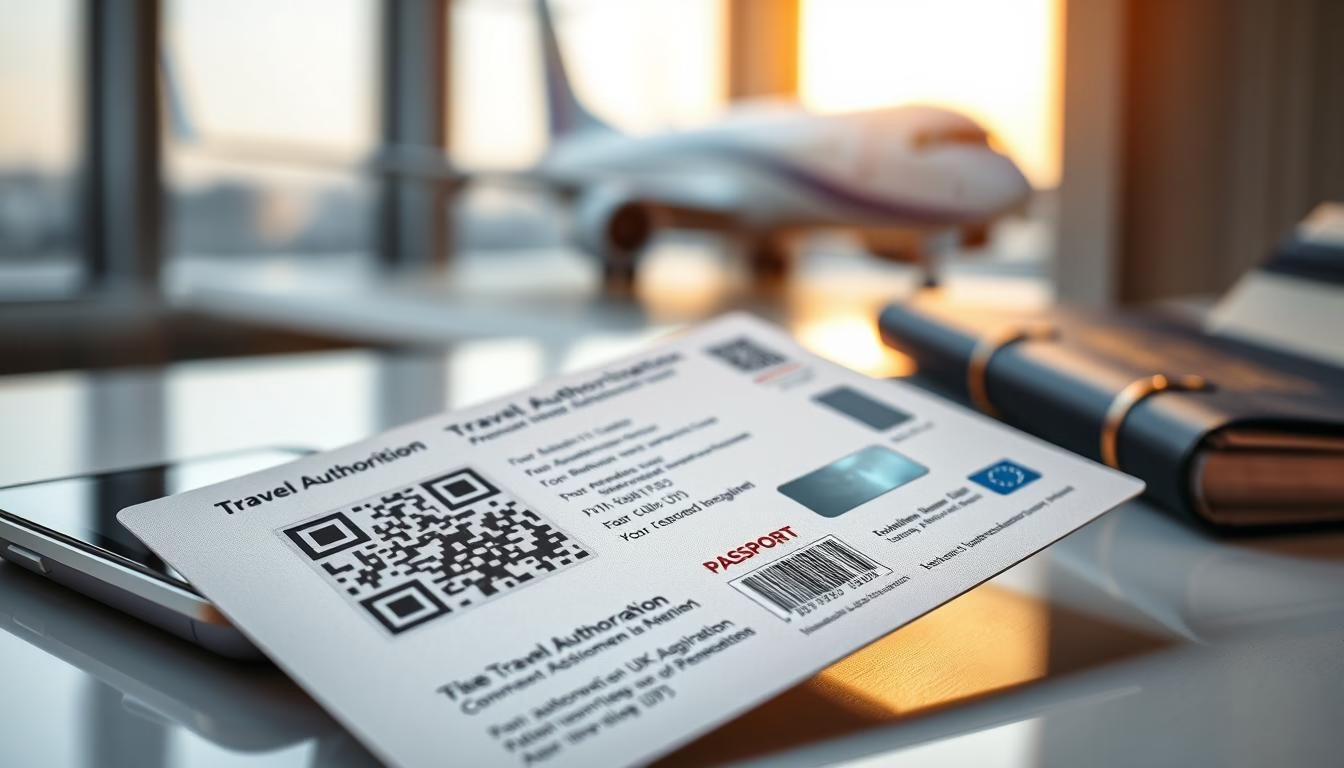
Are you planning a trip across the pond? Let me tell you about a significant new rule for visitors. Understanding this change is the key to a smooth and hassle-free journey.
The Home Office has introduced an electronic travel authorisation. Think of it as a digital pre-check for the border. Its main job is to enhance security by screening travellers before they even arrive.
Starting 25 February 2026, this permission becomes a must-have for many people who currently don’t need a visa to enter. If you’re from a visa-waiver country, this directly affects your plans.
I want to help you navigate this new process. My goal is to make sure you can secure your digital pass without any last-minute panic. Knowing the steps ahead of time is your best strategy.
Key Takeaways
- A new electronic travel authorization is being introduced for visa-free visitors to the United Kingdom.
- The system becomes mandatory for many travelers starting on February 25, 2026.
- Its primary goal is to enhance border security by screening individuals before arrival.
- You must apply online before your trip; it is separate from a traditional visa.
- Having this permission approved ensures a smoother experience at the airport.
- The process is designed to be digital and efficient for eligible nationals.
- Checking your eligibility well in advance of your travel date is crucial.
Understanding the UK ETA Visa Requirement
Imagine a digital key that unlocks your ability to board a plane to Britain. That’s essentially what this new electronic travel authorisation is. Let me be clear, it is not a visa.
It’s a digital permission to travel. The Home Office uses it to run security checks before you even pack your bags.
Think of this travel authorisation as a pre-screening step. It allows officials to assess your suitability for entry long before you reach the border.
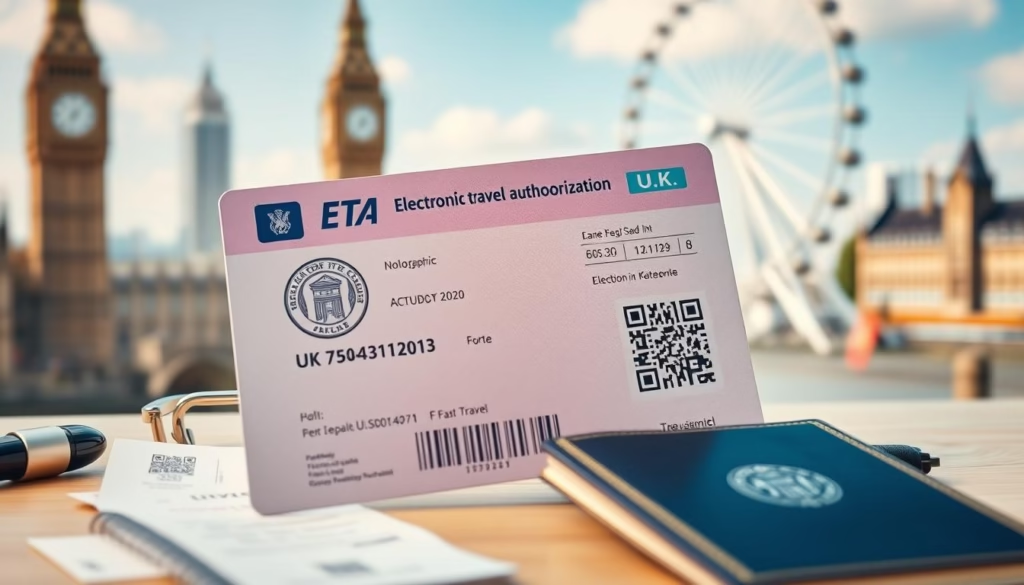
Since 25 February 2026, this eta scheme has been mandatory. If you’re from a visa-waiver country, you are what’s called a non-visa national. You must have this permission secured.
I always recommend checking your status early. This simple application is entirely online and links directly to your passport. It streamlines the process for all travellers while keeping security tight.
Overview of the UK ETA Scheme
The core idea behind this eta scheme is simple: shift security screening from the physical border to a digital space.
It’s a key part of the Home Office plan for a fully digital system. This electronic travel authorisation replaces old-fashioned, manual checks with fast, automated reviews.
This electronic travel system screens travellers long before they board their flight. It’s specifically for non-visa nationals—people who don’t need a traditional visa for short visits.
Your application must be spot-on. The entire process relies on the data you provide to make a quick decision.
The main goal is twofold. This digital permission keeps the border secure while making legitimate travel much smoother for everyone.
I find most people get approval quickly because the scheme is built for efficiency. It’s clearly the new standard for how nations will manage arrivals.
If this describes you, get familiar with the requirements now. A little early prep prevents last-minute stress.
The Digital-by-Default Border: How the ETA Fits In
The future of border control is here, and it hinges on a simple digital permission slip. Let me explain how this electronic travel authorisation is the cornerstone of a new, smarter system.
This travel authorisation shifts security checks from the physical border to your smartphone. The Home Office verifies your digital permission long before your flight departs.
Think of it as a pre-flight clearance. Airlines will check your electronic travel status at check-in. If you’re a non-visa national, this step is mandatory to board.
This entire eta scheme is designed for efficiency. Your accurate application data allows for instant verification. It manages the flow of travellers and speeds up entry.
Here’s a clear comparison of how things have changed:
| Aspect | Traditional Process | Digital-by-Default Process |
|---|---|---|
| Screening Point | At the physical border upon arrival | During the online application before departure |
| Verification Method | Manual passport checks by officers | Automated system checks digital permission |
| Carrier’s Role | Confirm passport validity | Verify active travel authorisation before boarding |
| Key Document | Physical passport and visa if required | Passport linked to an approved electronic permission |
I believe this digital approach is a game-changer. It makes travel smoother for you and keeps the border secure for everyone. The scheme is a central part of modern immigration management.
The 2026 Enforcement Timeline: What You Need to Know
Let’s talk dates, because timing is everything with this new digital requirement. The Home Office has drawn a line in the sand: 25 February 2026. On that date, full enforcement of the rules begins.
Your electronic travel authorisation becomes a strict condition for boarding. Attempting travel without eta approval means airlines will likely deny you check-in.
Think of it this way. The electronic travel system screens every person long before arrival. If you are from a visa-waiver country, you are a non-visa national. You must have this permission secured.
I see too many people leave this to the last minute. Don’t be one of them. Submit your application as soon as your plans are firm.
The authorities are clear: there are no exceptions post-deadline. This eta scheme is a major project to secure the border. By having your digital pass ready, you ensure a smooth start to your journey.
Who Needs an ETA? Exemptions and Special Cases
Not everyone will need to secure this new digital pass before their journey. While it applies to many visitors, there are important exemptions.
Specifically, British and Irish citizens are exempt from this requirement. The Home Office recognizes their unique status, so they do not need electronic travel authorisation.
This is deeply tied to the Common Travel Area. If you are one of the many Irish citizens living there, the same rule applies when entering from Ireland.
The key is proof. British Irish citizens must travel with their valid passport. This document proves their exempt status at the border.
If you hold citizenship from these nations, you can skip this application. For all other travel, or if you’re unsure, always check the official government website for your specific nationality.
Step-by-Step Guide to the UK ETA Application Process
Let’s walk through the straightforward process of securing your travel authorisation. I find most people complete it in under fifteen minutes from their couch.
You have two main paths. You can use the official mobile app or fill out the form on the GOV.UK website. The Home Office designed the app to make the journey simple for every traveller.
Before you begin, gather your valid passport and basic personal details. The system will need to scan your document’s biometric page. You also need to answer a few straightforward security questions.
Here’s a quick comparison to help you choose your method:
| Feature | Official Mobile App | GOV.UK Website |
|---|---|---|
| Document Scan | Uses your phone’s camera to capture passport data | Requires you to manually enter passport details |
| Facial Image | Takes a live selfie for identity verification | May require uploading a digital photo file |
| Convenience | All-in-one process on a single device | Can be done on any computer with internet |
| Required Device | A smartphone with a camera | A computer, tablet, or smartphone |
I recommend the app. It lets you capture your facial image and passport details in one smooth sequence. This reduces errors.
Once you submit your application, the system processes your request. You will receive the outcome via email. It is vital that all the information you provide matches your passport exactly.
You do not need to provide specific flight details. Just ensure your passport is valid for your entire stay. By following these steps, you can secure your electronic travel permission without any office visit.
Preparing Your Travel Documents and Passport
The success of your application hinges on one physical document: your passport. This booklet is the anchor for your entire digital permission process.
Your electronic travel authorisation is directly linked to your passport number. You must use the exact same document for your online submission and your actual journey.
Here’s a crucial detail many miss. This digital permission is valid for two years. However, if your passport expires sooner, your authorisation expires with it.
I always tell people to check their passport’s expiry date first. The Home Office requires it to be valid for your entire stay. A simple check now prevents a major headache later.
If you renew your passport, you must submit a new application. The old permission is void because it’s tied to the old document number.
Accuracy is everything. The information you provide must match your passport details perfectly. Any mismatch can cause delays or a refusal.
Keep your passport in good condition. Damage can lead to problems at the border, even with approved digital status.
Plan ahead. Secure your permission early and keep a digital copy of the approval email. With your documents ready, you can focus on enjoying your trip.
Understanding the Application Fee and Future Changes
Let’s get straight to the practical part—how much does this new travel permission actually cost? The current application fee is set at £20 per person.
Think of it as a small, non-refundable investment to secure your digital pass. You must pay this amount online when you submit your request.
I want to stress a critical point. The Home Office does not issue refunds, even if your request is denied. That’s why double-checking your information is so vital before you finalize payment.
If you need apply for this eta, be ready with a credit or debit card. Always use the official government portal for payment to ensure security.
Every traveler, including children, requires a separate application and must pay the fee. There are no family discounts.
Authorities may adjust the cost in the future as the system evolves. It’s wise to check the latest official updates right before you submit.
By understanding this cost upfront, you can budget accurately and avoid last-minute surprises. This permission is your key to a smooth journey.
Processing Times: What to Expect Before Your Flight
When you hit ‘submit’ on your application, the clock starts ticking—what happens next? The home office aims to process most requests within three working days. This digital system is built for speed.
However, if your submission triggers additional security checks, it may take longer. I always tell travellers to build in a buffer. Apply at least a week or two before your flight.
| Scenario | Typical Timeframe | Recommended Action |
|---|---|---|
| Standard Processing | 1 to 3 working days | No action needed; monitor your email for confirmation. |
| Extended Review | More than 3 working days | Ensure your contact details are correct and avoid making duplicate submissions. |
You’ll receive an email once a decision is made. Keep an eye on your inbox. It’s better to have your approval weeks in advance than to worry last minute.
An early application is the best travel insurance for your peace of mind.
This eta process is a small wait for a big benefit: smooth travel. Unlike a traditional visa, it’s mostly automated. Plan ahead, and you’ll be set.
Common Reasons for ETA Refusal and How to Avoid Them
No one wants to see a refusal email, yet a small number of applications do get turned down for specific reasons. Understanding these common pitfalls is your best defense.
The Home Office must refuse an eta application if you have a custodial sentence of 12 months or more. Other major reasons include previous immigration breaches or providing false information.
A past refusal of a visitor visa can also hurt your chances. I always tell people they must be completely honest. Giving false details is a sure path to a denial.
If you have a criminal record, carefully review the eligibility criteria for entry. The scheme is designed to filter out risks.
When in doubt, getting professional advice before you start your application is wise. If your eta is refused, you may need to apply for a standard visa instead.
Navigating Border Checks Under the ETA Scheme
Picture this: you’ve secured your digital pass, but your journey isn’t over until you clear the final checkpoint. Your approved travel authorisation is essential for boarding, but it doesn’t replace the face-to-face meeting upon arrival.
Border Force officers still personally assess whether you meet all entry requirements. They have the final say, regardless of your digital status.
I find most people pass through smoothly if they are prepared. The scheme is designed to make this process faster, not to eliminate it.
Here’s a clear breakdown of the two key verification stages:
| Checkpoint | Responsible Party | Key Verification |
|---|---|---|
| Pre-Boarding | Airline / Carrier | Confirms active electronic travel permission is linked to your passport. |
| Arrival | Border Force Officer | Assesses your eligibility for entry and inspects your physical documents. |
Carriers are legally required to check your status before you board. Keep your digital confirmation handy. The system is integrated with airline databases for quick checks.
If an officer asks you questions, answer clearly and honestly. This shows you are a genuine visitor. Your permission is a privilege for the duration of your stay.
This integrated approach is a core part of the home office strategy. It keeps the border secure while streamlining travel for eligible people.
Comparing ETA with Traditional Visitor Visas
Choosing the right travel document can feel like picking the right tool for a job. You need the one that fits your specific plans perfectly.
The electronic travel authorisation is your streamlined option. It’s designed for short visits, like a standard holiday, seeing family, or attending business meetings. You can stay for up to six months with this digital permission.
In contrast, a visitor visa is a more formal process. You need it if your activities fall outside that simple scope. Think of it as the tool for complex or longer-term needs.
I often explain it this way. The ETA is for quick, straightforward travel. The application is fast and mostly online.
A traditional visa requires more evidence. It often involves biometric appointments and supporting documents.
Most travellers find the ETA is sufficient. It covers common trips for tourism or brief work visits. Understanding these limits is key to a smooth entry.
If you plan to stay longer than six months, you must look at a different visa route. Always check the official guidance for your specific situation. Picking the correct path keeps your journey compliant and stress-free.
Advice for Creative Workers and Short-Term Business Trips
For artists, musicians, and other creative professionals, traveling for work just got simpler. A special creative worker visa concession exists. It allows eligible individuals to work here for up to three months.
If your project fits this short timeline, you may use the ETA. This digital permission avoids the need for a full visa application. It’s a great option for brief engagements.
Standard business visitors can use it, too. You can attend conferences or meetings. The key rule is you must not fill a permanent role in the local labor market.
I recommend every creative worker checks their industry’s specific rules first. For longer stays or more permanent work, a full creative worker visa is required.
Always keep your activities within the permitted scope. Have supporting documents ready for your business or creative plans. This prepares you for any questions at the border.
Many find this permission perfect for short professional trips or visiting family. The system is designed for flexibility. By following the rules, you ensure a smooth and compliant visit.
Ensuring Compliance with UK Entry Requirements
Your entire visit hinges on a simple principle: do what you said you’d do when you applied.
If you need an ETA, remember it’s a privilege with rules. Straying from your stated plans can lead to trouble at the border. It might even affect your ability to return in the future.
Honesty in your application is the foundation of a compliant visit.
The authorities monitor activity closely. I always advise travelers to know their specific limits.
Here’s a quick guide to staying within the rules:
| Visitor Type | Permitted Activity Examples | Common Compliance Pitfalls |
|---|---|---|
| General / Visiting Family | Tourism, short courses, business meetings. | Exceeding the 6-month stay limit or taking paid employment. |
| Creative Worker Concession | Short-term professional performances, recordings. | Working beyond the strict 3-month limit or taking a permanent role. |
If your plans change significantly, seek advice. You may need a different visa. Keep records of your travel dates and activities. This proves you played by the rules.
Tips to Prevent Last-Minute Travel Disruptions
The single biggest mistake I see travelers make is leaving their digital authorization to the last minute. This creates unnecessary stress and can completely derail your plans.
You need to apply for your ETA well in advance. Think of it as travel insurance for your peace of mind. If the authorities request further information or additional checks, having your application submitted early gives you the buffer you need.
I cannot emphasize this enough. Have your confirmed permission to travel ready before you even head to the airport. The system is fast, but never rely on it being instantaneous, especially on busy travel days.
By being proactive, you can resolve any issues that pop up. Many people find applying a few weeks before their flight is perfect. It lets you focus on your trip, not on whether your ETA will arrive in time.
Don’t wait until the final few days. That’s when most problems occur. A little planning ensures your journey is smooth from start to finish.
Conclusion
With the new digital travel system now clear, your next step is simple: prepare early.
Your electronic travel authorisation is valid for two years, but it expires with your passport. Keep that document safe and in good condition for your entire journey.
Whether you’re a tourist, on a business trip, or a creative worker, understanding these rules builds confidence. For the latest information or specific questions, always check the official government website.
By following these steps, you can secure your travel permission and enjoy a smooth, stress-free visit. I hope this guide has helped you feel ready for your trip.