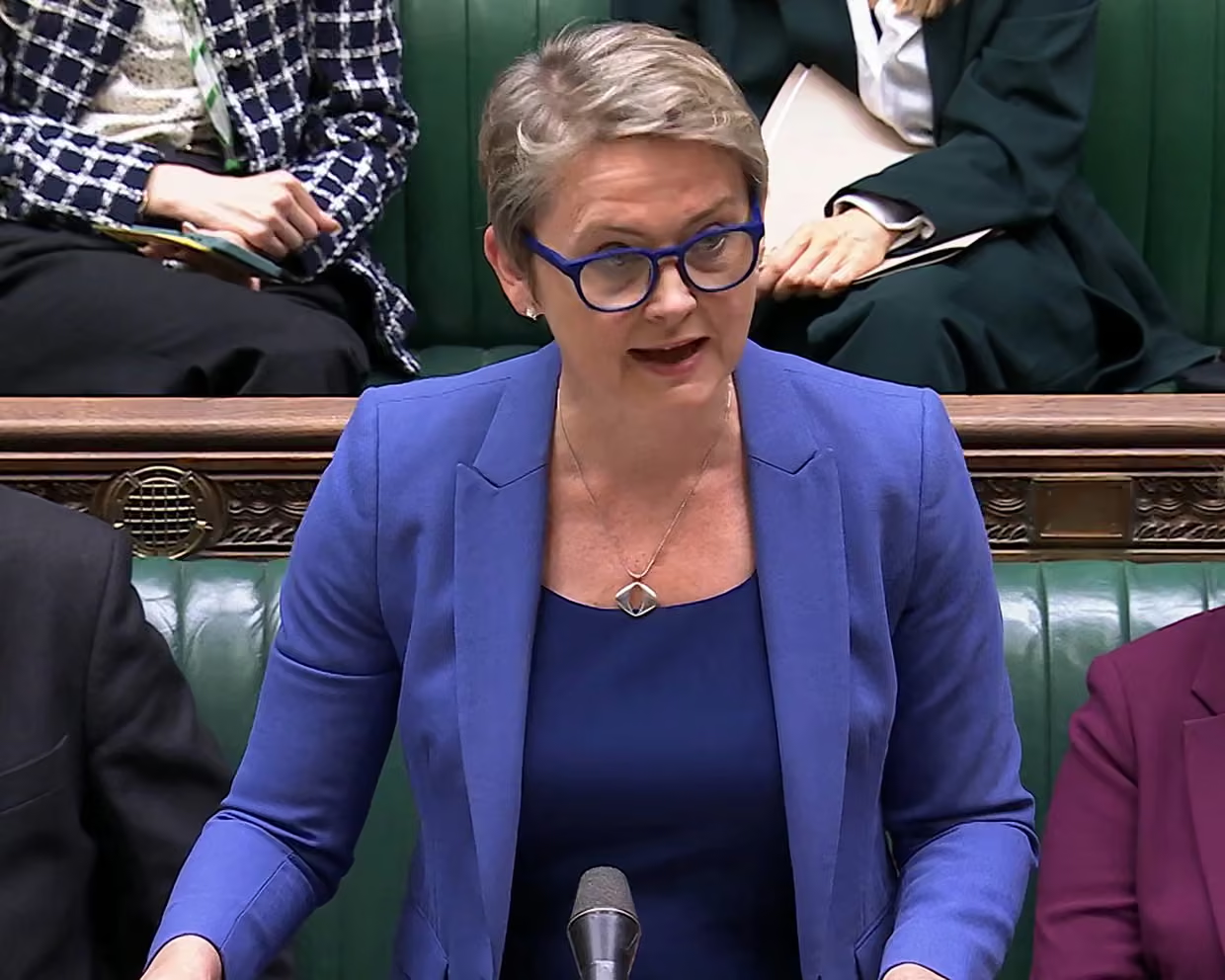
In a major policy shift, the UK government has temporarily suspended all refugee family reunion applications while it prepares to introduce tighter, more restrictive rules. The announcement by Home Secretary Yvette Cooper has sparked intense debate, with supporters arguing the need for system reform and critics warning of devastating consequences for vulnerable families.
This article explores the reasons behind the suspension, what changes might be coming, and the broader political context shaping UK asylum policy.
Why Has the Government Suspended Refugee Family Reunion Applications?
The Home Office has cited several key factors driving this suspension:
Overloaded Housing System
Previously, refugees often waited 12–24 months after securing asylum before applying to bring their families to the UK. Recently, applications surged within weeks of refugee status being granted, creating heavy strain on local councils and the already overstretched asylum housing system.Fairness Concerns
Refugees were able to bring family members under a less strict system compared to British citizens, who face higher income and housing requirements for family visas. The Home Secretary argued this “two-tier” system is no longer sustainable or fair.Curbing Smuggler Exploitation
Authorities believe people smugglers have exploited the promise of family reunion to encourage risky small-boat crossings, using it as a selling point to attract desperate migrants. The government hopes tougher rules will deter this practice.
What Changes Are Expected?
The Home Office plans to unveil a comprehensive asylum reform package by spring 2026. Likely changes include:
Longer Waiting Periods: New refugees may need to wait up to two years before being eligible for family reunion, mirroring policies in countries like Denmark and Switzerland.
Income Thresholds: Applications could face financial requirements similar to Appendix FM, where British citizens must show an annual income of at least £29,000 to bring family members.
Vulnerable Exceptions: Special provisions may remain for unaccompanied minors and families fleeing extreme persecution.
Political Context
The suspension comes as the Labour government faces growing pressure to tackle illegal migration and end the use of asylum hotels by 2029.
The policy overhaul also includes:
Speeding up asylum appeals through a new independent tribunal system.
Returning small-boat migrants to France under a pilot “one in, one out” scheme.
Phasing out hotel accommodation for asylum seekers.
However, Labour risks backlash from both human rights advocates and local councils, some of whom warn the changes may violate the European Convention on Human Rights (ECHR) protections for family life.
Criticism and Humanitarian Concerns
Refugee charities and campaigners have strongly condemned the move.
British Red Cross warned that the pause will force families to remain separated for years, potentially driving more people toward unsafe migration routes.
Refugee Council called the policy “deeply inhumane”, claiming it punishes innocent families rather than fixing the system’s shortcomings.
Care4Calais described it as removing the “last safe and legal route” for vulnerable women and children.
What Happens Next?
The Home Secretary has promised to unveil the new family reunion framework in the coming months. For now, families hoping to reunite in the UK must either wait for the new rules or explore alternative visa routes under the existing immigration system.
Conclusion
The suspension of refugee family reunion applications marks a significant turning point in UK asylum policy. While the government frames it as essential for fairness, security, and system reform, critics argue it could cause long-term harm to vulnerable families already fleeing conflict and persecution.
The next few months will be crucial as new rules take shape, balancing the UK’s immigration objectives with its humanitarian obligations.




2 thoughts on “Why has the Home Secretary Suspended Refugee Family Reunion Applications?”
I love your writing style truly enjoying this internet site.
I’ve been browsing online more than 3 hours today, yet I never found any interesting article like yours. It is pretty worth enough for me. In my opinion, if all web owners and bloggers made good content as you did, the net will be a lot more useful than ever before.